Elmarco Talks | Engineering Electrospun Fibers for Biomedical Functionalization
In biomedical electrospinning, fiber performance depends on more than
the mat itself. Alex Brunelle of LifeSprout will show how fiber properties affect downstream functionalization and integration with hydrogel systems.
27 October 2026
3:00 PM CET / 10:00 AM EDT
Live online webinar in English
From Electrospinning to Functionalization
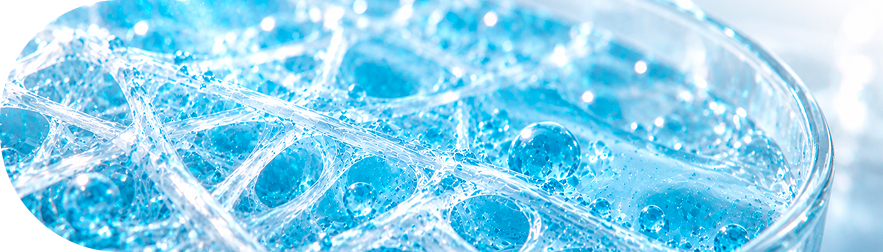
Electrospinning can produce fiber mats for a wide range of biomedical devices, but for many, the mat is only the starting point. For biomedical applications, downstream performance can depend on both the surface chemistry and the fiber characteristics created during electrospinning.
Using LifeSprout’s work with biodegradable PCL fibers as a practical example, Alex Brunelle will explain how fiber mat attributes can influence the efficiency of surface functionalization and integration with hydrogel systems.
What You’ll Learn
- Key considerations when integrating biodegradable PCL fibers with hydrogel systems
- Which fiber mat attributes matter when planning subsequent surface modification
- Critical electrospinning parameters that can affect later functionalization workflows
“The success of functionalizing electrospun fibers is shaped long before surface treatment begins. The characteristics of the electrospun mat influence how it behaves in every downstream step.”
Alex Brunelle, Process Engineer II, LifeSprout

Meet Alex Brunelle
Alex Brunelle is a Process Engineer II at LifeSprout. He holds an MS in Bioengineering from the University of California, Riverside, where he focused on tissue engineering and electrospun biomaterials. His graduate work included developing a hydrogel-integrated electrospun scaffold for a single-step cell seeding and encapsulation process.
Since joining LifeSprout in 2018, Alex has helped establish the manufacturing processes for Lumina™ fiber production. He now leads the scale-up of electrospinning technologies from early development toward commercial production.
About LifeSprout
LifeSprout is a Baltimore-based regenerative aesthetics and tissue reconstruction company founded on research from Johns Hopkins. The company develops injectable biostimulatory materials designed to look, feel and behave like living tissue.
Its lead product, Lumina™, is designed to combine immediate volumization with tissue regeneration. The company recently completed a 119-patient clinical trial in Europe and obtained its CE mark.